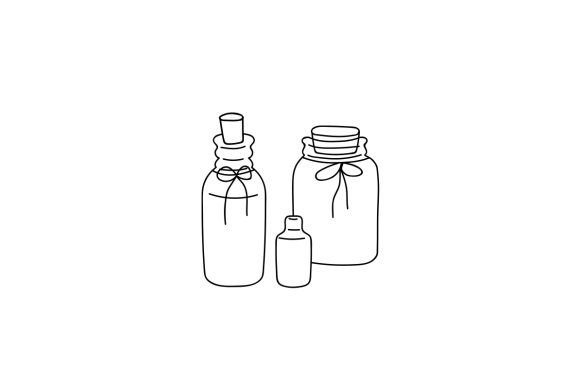
A Sketch for Soap Making: An Essential Oil Illustration for Crafts
When a designer opens a new asset, the first impression is everything. It sets the tone for the entire project. With Soap Making - Essential Oil - Sketch, that first impression is distinctly organic, gentle, and rooted in a handmade aesthetic. The sketch style immediately evokes craftsmanship, natural ingredients, and a slow, thoughtful process. This isn't a hyper-realistic or slick graphic; it’s a drawing that feels personal, like a note from a creator’s notebook. For a client project, this mood is invaluable. It whispers “authenticity” and “care” before any text is added.
The Sketch’s Natural Habitat: Where This Design Asset Thrives
Imagine you’re developing the visual identity for a new, small-batch soap company. Their brand story centers on botanical blends, local sourcing, and the artistry of making. The standard route might involve crisp product photography and clean sans-serif fonts. But introducing Soap Making - Essential Oil - Sketch changes the entire direction. This illustration becomes the heart of the visual language, translating the brand’s ethos into a tangible graphic design asset.
In real design situations, this asset performs beautifully as a decorative accent and a hero graphic. Its inherent charm makes it a perfect candidate for:
- Product Labels & Packaging Design: As a central motif on a soap bar wrapper or a subtle, repeated pattern on a box, it instantly communicates the product’s craft nature.
- Social Media Graphics & Marketing Visuals: For Instagram posts announcing a new lavender blend or Pinterest pins about soap-making techniques, the sketch provides a warm, engaging focal point that stands out against more generic visuals.
- Printable Designs & Merchandise: For a local market stall, it could adorn a simple poster or flyer. For deeper brand extension, it’s ideal for t-shirt designs, tote bags, or mugs sold alongside the products, creating a cohesive handmade business aesthetic.
- Website Graphics & Editorial Design: On a “Our Process” blog page, the sketch can break up text and visually narrate the story. It adds a layer of visual trust and emotional appeal, suggesting transparency and passion.
- Cricut Projects & Sticker Design: The provided SVG and DXF formats mean this asset is ready for crafters and sellers. It can be cut into vinyl for jar labels or printed as stickers for product packaging, bridging digital design with physical creation.
Considering Scale & Context: When to Use This Asset with Care
While versatile, Soap Making - Essential Oil - Sketch is not a universal tool. Its sketch lines, which give it character, can become a liability in certain contexts. Its performance depends heavily on application.
It works best in large layout areas where its details can be appreciated, or as a supporting brand element paired with very clean typography. However, use it carefully in:
- Small Sizes: If reduced to a tiny icon, the delicate lines may vanish or become a muddy, indistinct blob, harming visual hierarchy and recognition.
- Crowded Layouts: Placing it amidst busy textures or multiple other complex illustrations will clash and create visual noise, undermining the sense of calm it naturally projects.
- Minimalist or Corporate Branding: For a brand aiming for a stark, modern, or highly professional corporate feel, this sketch’s handmade warmth might feel incongruous. It’s a personality piece.
- Low-Contrast Designs: Over a similarly textured or colored background, the sketch could lose its definition. It needs a clear stage to perform.
Practical Designer Notes Before Client Use
Before committing this asset to a live client project, a few checks are essential. These steps ensure the final design feels polished and professional, not just decorated.
- Test the Formats: The inclusion of SVG, EPS, and transparent PNG is a huge advantage. Open the vector files (SVG/EPS). Check the editability—can you easily isolate elements or adjust line weights if needed for your specific packaging design or logo design accent? The PNG’s transparency should be clean, with no residual white edges, crucial for overlaying on product mockups or website graphics.
- Preview at All Sizes: Place it on a dummy layout. Scale it down to where you might use it on a business card or web button. Scale it up for a poster or banner. Does it hold its integrity and clarity at both extremes?
- Check Contrast & Color: View it on both light and dark backgrounds. Also, convert it to black and white. This tests its reliance on color for form. If it collapses in grayscale, you’ll know to use color deliberately in your commercial design.
- Pair with Typography: Drop it into a layout with your chosen fonts. Try it with a clean sans-serif for a modern craft look, a elegant serif for a classic feel, or a complementary script font. Does it harmonize or fight? The sketch likely pairs best with fonts that have a similar organic, non-mechanical quality.
- Confirm Commercial Licensing: For any Etsy product, print-on-demand item, or small business branding, explicitly verify the asset’s license. Ensure your client’s usage—selling physical products with the design, for instance—is covered. Never assume.
- Test Print Quality: If the project involves printable designs like labels or wall art, do a test print. Vector formats should scale perfectly, but check that the line detail renders crisply on your intended paper or material.
Beyond Decoration: The Sketch as a Brand Storyteller
The true value of Soap Making - Essential Oil - Sketch isn't just as clipart. It’s as a narrative device. In a market saturated with stock photos, this illustration offers a curated, specific vibe. It helps a brand’s visual identity feel intentional and cohesive. For a handmade business, using such an asset signals that they care about the details, from their ingredients to their graphics. This builds audience engagement through shared values.
For the designer, it’s a shortcut to a specific visual mood. Instead of building this aesthetic from scratch, the asset provides a ready-made, emotive core. You can then build around it—choosing colors that complement its natural feel, selecting typography that echoes its handmade lines, and creating marketing visuals that all stem from this single, coherent source. It elevates a project from a collection of elements to a unified, polished story.
Final Judgment for a Real Client Project
So, is Soap Making - Essential Oil - Sketch suitable for a real client project? Absolutely, provided the project’s soul aligns with the asset’s spirit. It’s not for a tech startup or a financial services firm. It’s perfect for the artisan, the crafter, the small brand built on passion and process. For a soap company, a natural cosmetics line, a craft blog, or a creative marketplace seller, this digital product can be the cornerstone of a beautiful, authentic, and professionally executed design direction. It turns a concept into a visual reality that feels both thoughtful and trustworthy. As a designer, that’s the ultimate goal: creating work that not only looks good but feels right.