An Honest Review of a Hand Drawn Animal Illustration for Your Craft Business
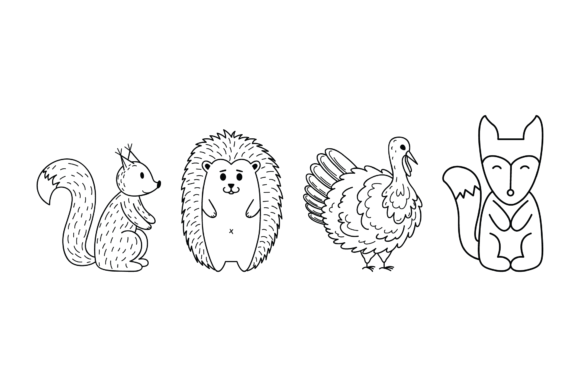
As I sit down to prepare a new batch of tote bags for the upcoming local craft fair, I open a download folder containing a hand drawn animal illustration. The first impression is immediate. This style is playful and endearing, with a touch of rustic charm that suggests a cozy, handmade feel. It’s not overly cute or juvenile, but rather carries a decorative warmth that would attract a buyer looking for something special and personal. This mood is perfect for gift products or a boutique shop collection aiming for a premium, yet approachable, aesthetic.
Where This Illustration Shines in a Crafter's Workflow
For my current project, I’m considering using this graphic design asset across several products. The included formats—SVG, PNG, AI, EPS, and JPG—are exactly what I need for a versatile workflow.
I envision the SVG design being perfect for a Cricut project, cutting vinyl for a set of custom mugs. The clean vector lines should translate well into crisp adhesive shapes. Similarly, for Silhouette projects, the illustration could become the centerpiece for a set of planner stickers or decorative gift tags. For printable designs, like wall art or a coloring page insert for a greeting card, the high-resolution PNG with its transparent background is invaluable. I’m also thinking about sublimation design for t-shirts; the canvas size of 1920px by 1280px provides good resolution for a medium-sized print on a shirt or a tumbler wrap.
My Planned Uses for This Hand Drawn Animal Asset
- Tote Bag Appliqué: Using the SVG file to create a large, clean cut file from iron-on vinyl.
- Market Sticker Set: Resizing the PNG to create a small pack of stickers for my Etsy product line.
- Gift Tag & Card Bundle: Pairing the illustration with a simple script font for a seasonal craft bundle of thank-you cards and tags.
- Product Mockup Testing: Placing the JPG on digital mockups for my shop listings to see how it looks on both white and dark backgrounds before committing to physical production.
Practical Considerations Before You Craft and Sell
While this hand drawn animal illustration is promising, there are always technical details to check. My rule is to always test the file before selling finished products. For vinyl cutting projects, I need to check if the SVG lines are clean and closed—no stray paths that could cause cutting errors. For printable designs intended as digital products, I preview the PNG transparency against different colored backgrounds to ensure no unwanted edges remain.
The style of this particular illustration, depending on its line weight, might require careful use in some areas. If the drawing has very fine details or thin lines, I would avoid using it for very small sticker sizes or intricate layered vinyl projects where those details could peel or tear. In a crowded composition, it might need to be simplified to stand out. For sublimation, I would definitely test the colors on a sample fabric swatch first, as hand-drawn shading can sometimes translate differently in print.
Crafting Notes for a Smooth Production Process
- Resizing is Key: Scale the asset up for large tote bags and down for gift tags, always checking the final clarity.
- Font Pairing: This rustic playful style could pair beautifully with a complementary sans-serif font for a clean look or a handwritten font for extra charm.
- Commercial License Confirmation: Before I list any finished mugs or shirts on my Etsy shop or take them to a craft fair, I double-check that my purchase includes a clear commercial license for this design asset. This is non-negotiable for a small business branding.
- Mockup Reality Check: Always place the design on a real product mockup, even a simple one, to visualize the final product for your customer orders.
The Ideal Projects for This Type of Graphic
This hand drawn animal illustration finds its best home in projects that celebrate its decorative nature. It works excellently for large cut files where its character can be fully appreciated. It’s ideal for clean printable layouts, like a framed digital art print or a coloring page included in a party favor kit. It would be a strong accent in seasonal craft bundles—think autumn market totes or spring-themed greeting cards. For personalized items, like a baby shower gift with a name incorporated, it provides a beautiful base. Finally, it can serve as a unifying element in a handmade shop collection, giving your creative marketplace offerings a cohesive visual thread.
Where to Exercise a Little More Caution
In my experience, even great assets have limits. For this illustration, I would be careful using it in designs requiring extremely small cutting details, as hand-drawn lines might not be uniform enough at tiny scales. If the PNG has low-contrast colors within the drawing itself, it might not pop on certain materials without some adjustment. It’s also not the first choice I’d grab for a project needing ultra-clean, readable shapes, like a very minimalist logo. Its strength is in its artistry, not in stark geometric clarity.
Turning This Asset into Real Customer Orders
The journey from downloading a graphic to fulfilling a customer order is built on these practical steps. This hand drawn animal illustration isn’t just clipart; it’s a potential centerpiece for a product line. By methodically testing its formats—the SVG for cutting, the PNG for printing—and thoughtfully applying it to products that match its mood, I can create a range of items from sticker designs to mug designs that feel cohesive and professional. This approach supports building a reputable handmade business, whether for print-on-demand services, a bustling Etsy shop, or a table at a local fair. It’s about making the design asset work reliably within the real, sometimes messy, world of crafting.
Ultimately, a successful integration of this illustration into my workflow means more than just making a cute product. It means creating a durable, sellable item that reflects the care of my brand and meets the expectations of a buyer seeking a handmade touch. That’s the real value of a well-considered design asset for any creative entrepreneur.