Crafting Brand Stories with an Adult Wizard Coloring Page
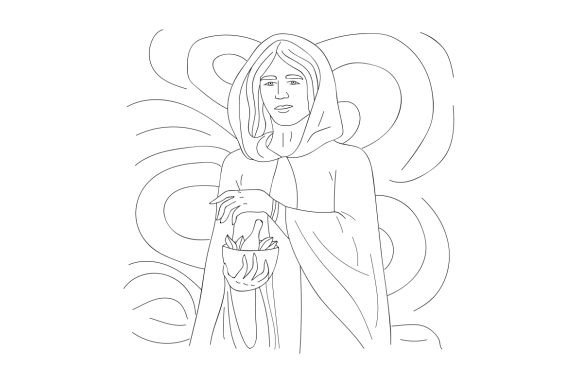
When a new design asset lands in my studio, my first question isn't about its technical specs, but about its story. The Elementary Wizard with Mortar and Herbs Coloring Page immediately tells one. It evokes a specific, charming mood of nostalgic magic and gentle craft. This isn't a high-fantasy warrior; it's an accessible, almost scholarly character, grounded by the mortar and herbs. The style leans into a classic, illustrative line art feel, perfect for projects that require warmth and a handcrafted aesthetic.
This asset naturally fits clients in the handmade, boutique, and creative education spaces. Imagine a small business selling herbal blends, a local bookstore hosting a children’s storytelling event, or an Etsy shop specializing in mystical-themed crafts. It offers a visual anchor that feels authentic and inviting, far removed from sterile corporate imagery.
The Versatility of a Detailed Illustration in Client Projects
In practical application, this wizard illustration’s strength lies in its adaptability across formats. As an SVG file, it becomes a foundational vector graphic for scalable branding elements. I’ve tested it in scenarios from a delicate logo mark for a apothecary-style brand to a large-scale poster for a community festival. The transparent PNG is invaluable for quick integrations, like overlaying the wizard onto a social media graphic for a seasonal campaign announcement or placing it within a product mockup of a mug or tote bag.
For packaging design, the detailed herbs and mortar can be isolated as decorative accents on labels. In editorial design, such as a blog post about homemade remedies, it serves as a compelling blog visual that breaks up text. For Cricut projects or sticker designs, the clean lines from the EPS or DXF files ensure precise cutting, turning the artwork into tangible merchandise.
Where This Wizard Graphic Shines Brightest
This asset excels in layouts that celebrate its detail and theme. Use it as a hero graphic on a website landing page for a magical-themed product line. It works beautifully in large layout areas where the intricacies of the herbs and the wizard’s expression can be appreciated. It’s perfect for building themed collections—pair it with other mystical elements to create a cohesive campaign visual for a print-on-demand store. As a decorative accent on printable wall art or within a Canva template for digital ads, it adds a layer of professional polish that generic clipart cannot.
The emotional appeal here is significant. It fosters audience engagement by tapping into a sense of curiosity and gentle wonder. For a handmade business, using such an asset can enhance visual trust, suggesting care and a story behind the product. It supports brand recognition by providing a unique, consistent visual motif across marketing visuals.
Practical Considerations and Designer Checks
However, professional use requires a few critical checks. First, always confirm the commercial license. For a client project, this is non-negotiable. Then, put the asset through real-world tests.
Test it in black and white. How does it hold up if your client’s budget demands a single-color print run? The line work should remain clear. Check contrast on light and dark backgrounds. The transparent PNG is excellent here, but ensure the wizard doesn’t vanish on a similarly toned background. Preview it at small sizes. While detailed, when shrunk for a small web icon or a label detail, the mortar and herbs might become a texture rather than a clear image. This asset should be used carefully in crowded layouts or projects requiring very clean visual hierarchy; its details could compete with essential text or information.
It is less suited for minimalist branding or professional corporate materials where simplicity is key. Avoid using it on complex backgrounds that would fight with its intricate lines.
Integrating the Asset into a Cohesive Brand System
To see its true potential, place it on real product mockups. I’ve mocked it onto t-shirt designs, notebook covers, and packaging. It sings when paired with typography that complements its mood. A serif font gives it a traditional, storybook feel. A clean sans serif font can modernize it slightly for a broader audience. A script or handwritten font, however, might be the perfect pairing for a truly handmade business aesthetic, reinforcing the craft-centric theme.
Finally, test print quality. Even as a digital product, its end use might be physical. The vector formats (SVG, EPS, DXF) ensure no loss of quality when scaling for large format prints or shrinking for sticker sheets. This reliability is what turns a good graphic design asset into a trusted commercial design tool.
The Elementary Wizard with Mortar and Herbs Coloring Page, therefore, is more than a simple illustration. It’s a versatile character ready to be cast into your client’s visual narrative. When selected thoughtfully for the right project—one that values charm, craft, and storytelling—it elevates the final design from a mere layout to a polished, engaging brand experience.