Vintage Mandala Ornament: A Designer’s Practical Review
First Impression: Where This Vintage Mandala Belongs
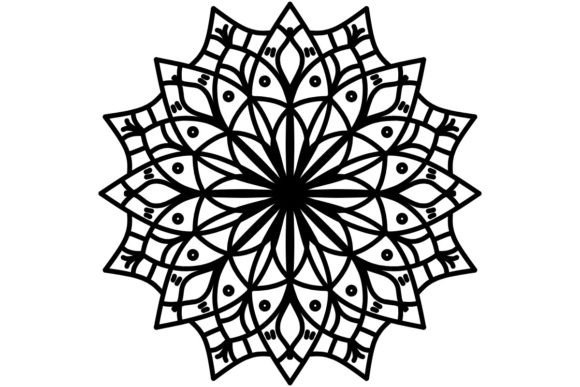
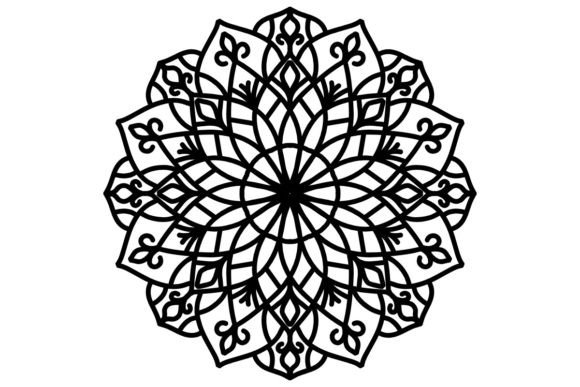
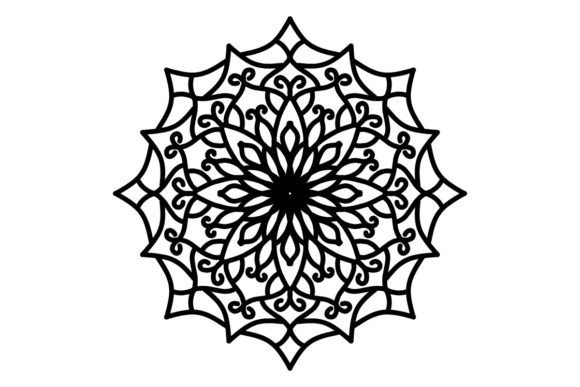
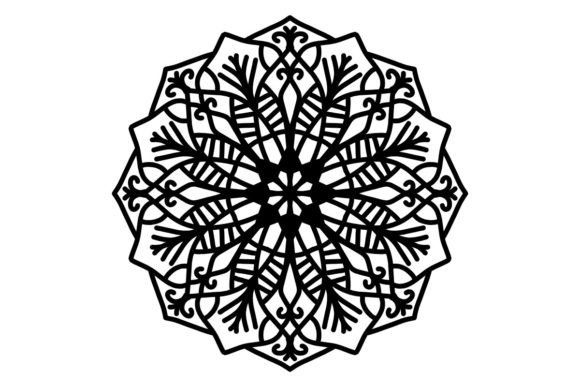
Opening the Vintage Mandala Ornament Package 07, my immediate thought was, “This is for a gift.” The design carries a gentle, timeless warmth. It doesn’t shout; it invites. The hand-drawn lines suggest a personal touch, even before the needle touches the fabric. Its balanced, intricate layout feels celebratory without being overly festive, making it versatile for projects that need a touch of elegance.
The detail level is thoughtful—there’s enough complexity to create a rich visual texture when stitched, but the spaces between lines look manageable. This isn’t a design that will become a muddy blob of dense stitches. Its visual personality is calm and ornate, which tells me it would naturally belong on items meant to be cherished: a personalized pillow cover for a wedding gift, a special tote bag for a creative friend, or nursery decor that’s meant to grow with a child.
A Real Project Test: Embroidering a Boutique Kitchen Towel
Let’s walk through a real scenario. I’m considering this design for a line of boutique kitchen towels my small shop sells. A customer wants a custom, embroidered towel as a holiday gift. The vintage mandala’s circular format is perfect—centered, harmonious, and inherently decorative. On a tea towel, this isn’t just a logo; it’s a piece of art that elevates a everyday object.
In this practical use, the embroidery file’s SVG foundation is key. For machine embroidery, I’ll need to convert and test, but the clean lines promise good results. I’d plan for a mix of satin stitch for the bold outlines and fill stitch for the interior patterns, playing with thread colors to enhance that vintage mood. On linen, a textured fabric, the design would gain a lovely handmade depth. But I’m already thinking: the smaller, intricate corners will need a good stabilizer and a careful check of stitch density to prevent puckering.
Where This Design Excels and Where to Use Caution
The Vintage Mandala Ornament Package 07 feels ideal for flat, stable surfaces where its symmetry can shine. Think embroidered patches, apron fronts, pillow covers, and the center panel of a tote bag. For custom apparel like sweatshirts, positioning it on the chest or back would work beautifully, assuming the fabric isn’t too stretchy. On a baby blanket or a personalized gift like a holiday table runner, it would become a focal point that adds perceived value and craftsmanship.
However, I’d use caution on certain projects. On a curved surface like a cap, the perfect circular shape might distort unless expertly hooped and stabilized. On very dark fabric, the intricate details might lose clarity unless you plan your thread color contrast carefully—a light thread on dark denim could still look stunning. For items needing frequent washing, like baby clothes, I’d recommend testing the stitch integrity on scrap fabric first to ensure the finer lines hold up.
How This Design Affects Your Craft Business
From a business perspective, using a design like this isn’ just about making a product; it’s about building a brand feeling. When a customer sees this mandala on your handmade product, it conveys thoughtfulness and skill. For an Etsy seller or small shop product, this visual appeal can increase buyer engagement—people connect with art that feels both classic and personal. It boosts giftability and can become a recognizable element in your line of craft business items.
For commercial embroidery projects or selling finished items, the first step is always confirming licensing. The product description mentions its use for various creative projects, but as a professional, I always verify the specifics before a product goes to market. This protects your business and your client relationships.
Practical Notes From the Embroidery Hoop
Before you commit this design to a final project, here are my hands-on notes. Always test the design on scrap fabric first. Use the same fabric and stabilizer you plan for the final item. Check how the small details translate into stitches—sometimes a beautiful digital line needs a slight adjustment to remain clear in thread.
Review it in both black and white mockups to see how it reads on light and dark backgrounds. This helps plan thread schemes. For a vintage feel, consider muted, earthy thread colors rather than bright primaries. When creating digital product previews or printable mockups for your shop, the clean SVG lines will serve you well, but remember that the stitched version will have a tactile texture.
Finally, consider your hoop size. While the design isn’t overly large, you need enough space to stabilize the entire circle comfortably. A too-small hoop could compress the edges and affect the final shape. For items like baby embroidery on smaller garments, you might even consider using just a portion of the mandala as a decorative accent.
The Final Stitch: A Design Worth Exploring
The Vintage Mandala Ornament Package 07 is more than a graphic; it’s a versatile starting point for meaningful projects. Its hand-drawn character translates into an embroidery design that feels intentional and artful. Whether you’re creating a one-off personalized gift or integrating it into your line of small business merchandise, it brings a layer of aesthetic value that customers appreciate.
Approach it with a practical eye: test it, adapt it to your materials, and let its vintage charm work for your specific vision. In the right context, on the right product, stitched with care, this mandala won’t just decorate an item—it will define it.