Why I'm Adding Different Types of Leaves to My Embroidery Toolkit
There are times when a design file feels like a collection of shapes, and times when it feels like an entire project's starting point. When I opened Different Types of Leaves, it landed squarely in the second category. This isn't just a graphic; it's a versatile, stylish foundation for creating something distinctly handmade.
The First Impression: An Understated Library of Shape
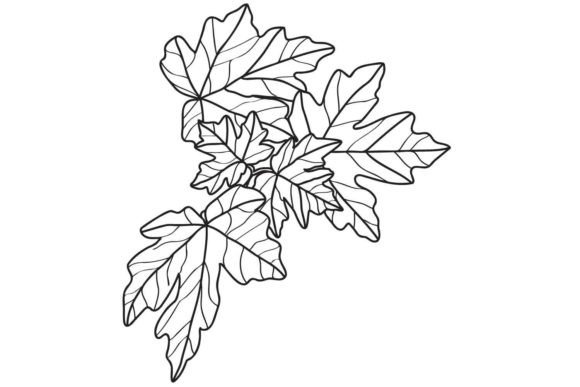
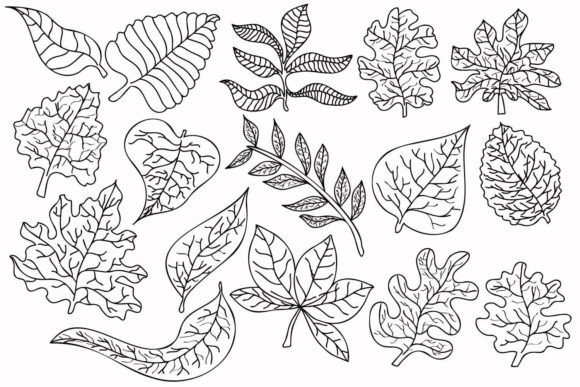
My initial reaction was appreciation for its restraint. As a designer who often adapts graphics for embroidery, a clean black outline design like this is a gift. The mood is botanical and graphic—it feels modern, clean, and quietly seasonal, hinting at spring and autumn without shouting it. The collection of leaf shapes has a lovely illustrative personality, not overly detailed but with enough character to be recognizable when stitched.
The layout as a grouped set of illustrations is its greatest strength. It doesn’t feel like a single motif destined for a chest logo, but rather a resource. I immediately pictured it used as a repeating pattern along a hem, a clustered focal point on a pocket, or a single, isolated leaf for a minimalist accent. This flexibility is what makes it a valuable asset for us as makers.
Real Embroidery Performance: Where It Shines
I imagined a real scenario: creating a custom embroidered linen tote bag for a boutique client wanting a nature-themed series. Different Types of Leaves is perfect for this. On a textured fabric like linen or canvas, these outlined shapes would translate beautifully. Using a running stitch or a light satin stitch for the outlines would give a sketched, artistic feel, exactly what a handmade shop owner wants. The detail level is ideal—not so dense that it becomes a heavy fill stitch area on a bag that needs to be durable, but defined enough to look intentional and professional.
Beyond totes, this design set has wide applicability. Think of a single leaf embroidered on a baby garment for a subtle, sweet touch. A cluster of leaves on a pillow cover creates instant cozy, seasonal decor. For apparel decorators, a scattering of these leaves along the sleeve or shoulder of a sweatshirt offers a trend-right, botanical detail without overpowering the garment. As an embroidered patch, this graphic would be clean and highly legible. The outline nature also makes it a candidate for appliqué, where you could play with fabric colors for the leaves themselves.
A Natural Fit for Commercial and Personal Projects
For Etsy sellers and small business owners, this is a design that elevates product value. On a kitchen towel or an apron, it feels giftable and thoughtful. In a digital product shop, the included JPG is ready for printable mockups to showcase your finished embroidery work, which is crucial for buyer engagement. The clean lines translate well in photos, building customer trust in the craftsmanship. Because the theme is universal—nature—it aligns with many brands and personal styles, aiding brand consistency for a crafter specializing in botanical themes.
Careful Considerations for the Best Results
Of course, every design requires some practical judgment. The black outline description means contrast is your primary tool. On dark fabric, you'd need to plan thread colors carefully—a white or light grey thread for the outlines, or perhaps using the design as a guide for reverse appliqué. On stretchy fabrics like t-shirts, the success will depend heavily on using the proper stabilizer and perhaps simplifying the most intricate leaf shapes if they have many small corners.
I would be cautious using the entire, dense group of illustrations in a very small hoop size. The individual leaves are the star here. Isolating one or two for a cap or a hat would yield much clearer stitching than trying to cram the entire set onto a curved surface. Also, for products that need frequent washing, like baby clothes, consider simplifying any extremely tiny interior details within the leaves to ensure longevity.
Practical Designer Notes Before You Stitch
My standard process applies here, and I recommend it to every embroidery designer and creative entrepreneur:
- Always test on scrap fabric first. Use fabric similar to your final project—test both light and dark backgrounds if you plan to use it broadly.
- Check thread color contrast. The "black outline" in the file is a guide, not a rule. Try metallic threads, muted greens, or contrasting brights for a different effect.
- Review stitch density in your machine embroidery software. See how the outlines translate to your chosen stitch type. A thick satin stitch will feel bold; a thin running stitch will feel delicate.
- Inspect the small details. Zoom in on the design file. Are there any corners or lines too fine for your intended fabric texture? Adapt them.
- Confirm your hoop size and design placement. Measure the design size in your software against the actual area on your tote bag, pillow, or apparel.
- Verify licensing for your use. If you're selling the finished products or the digitized embroidery file itself, confirm that the original Different Types of Leaves graphics license permits your commercial use.
The Final Verdict for Makers
Different Types of Leaves is a thoughtfully crafted set of illustrations that transitions seamlessly into the embroidery world. It offers a professional, adaptable base for projects that need a touch of organic, graphic style. Whether you're personalizing a holiday gift, building your craft business merchandise, or creating commercial embroidery projects for clients, this design provides the clarity and versatility that leads to a confident, well-executed finished product. It’s a design asset that feels both useful and inspiring—a combination I always look for.