A Designer’s Honest Look at the L Coloring Page Embroidery Design
When a new embroidery design file lands on my desktop, I don't just look at the preview. I picture it stitched. I imagine it on a finished product, in a client’s hands, or on a shop shelf. That’s the lens I’m using to evaluate this L Coloring Page design. It’s a straightforward concept, but as a crafts professional, the real question is: does it translate into a worthwhile, appealing embroidered product?
The Quiet Confidence of a Single Letter
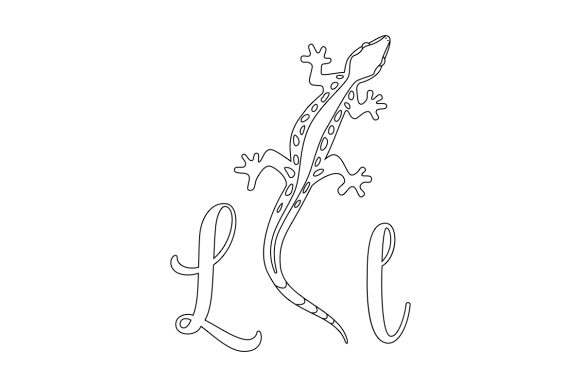
My first impression is one of clean, friendly simplicity. The design, as a solitary ‘L’, creates a mood of personalized recognition. It’s not shouty or overly decorative; it’s confident in its own identity. The layout is naturally centered and balanced, making it a fantastic anchor for personalization. The detail level here is key—it’s a coloring page style, which typically means outlines with open spaces. This translates beautifully to embroidery as a potential applique design base or an outline stitch project, offering a lot of creative freedom for thread color choices and stitch types.
This visual personality feels gentle and adaptable. It naturally belongs to projects where the letter itself is the gift: a child’s first-name item, a grandparent’s initial on a kitchen towel, a boutique’s branded merchandise using the owner’s initial. It’s less about the design shouting “look at me” and more about it providing a clear, lovable canvas.
Where This Design Finds Its Perfect Home
In real-life embroidery situations, this L embroidery file shines on items where simplicity carries meaning. Picture it on a custom baby clothes item, like a little onesie—a sweet, monogrammed gift. Imagine it stitched onto a linen pillow cover for a nursery, creating a subtle, personalized decor piece. It’s ideal for tote bags and aprons where a clean initial adds a handmade touch without clutter.
For small business merchandise or Etsy listings, this design offers a fantastic base. An Etsy seller could create a series of initial-based embroidered patches or offer personalized tea towels. The design’s clarity in digital product previews and printable mockups would be strong, showing customers exactly what they’re buying. For commercial embroidery projects, like a small run of caps for a local team or club with an ‘L’ namesake, this straightforward design ensures readability and quick production.
The Practicalities: Stitching the Letter L Clearly
Where you use this design matters just as much as how. On small hoop sizes, the single letter will stitch out cleanly without needing excessive reduction. However, on textured fabrics like some blankets or sweaters, you’ll need a good stabilizer to keep those outline edges sharp. On thin or stretchy fabric, like a t-shirt, consider a lighter stitch density if you’re doing a fill stitch to prevent puckering.
A natural consideration is dark fabric. The open, coloring-page style means you might be stitching the outline onto a dark background. Choosing a high-contrast thread color—a bright white or a metallic gold—would be essential for visual pop. On curved surfaces like caps, the simple shape should adapt well, but always check the orientation in your software to ensure it sits correctly on the curve.
Since it’s a single letter, there aren’t detailed corners or tiny lettering to worry about, which is a plus for durability on items that need frequent washing, like baby items or kitchen linens. A solid satin stitch border or a simple running stitch outline would hold up well over time.
How This Design Elevates Your Finished Product
From a business and customer perspective, a well-executed L Coloring Page embroidery affects several key things. Its visual appeal is rooted in clarity and personal connection, which boosts product value as a personalized gift. That clarity also builds customer trust—they see exactly what they’ll receive, a clean, recognizable initial. For handmade presentation and brand consistency, using this design across a line of products (totes, towels, apparel) creates a cohesive, professional look for a small shop.
Its giftability is high, especially for milestones like weddings, new babies, or holidays where a personalized initial is a classic touch. The immediate recognition of the letter engages buyers quickly, whether at a craft fair or in an online store. It just makes sense.
Notes From the Worktable: Before You Hoop It Up
As a final, practical step, here’s what I’d do before running this design on a final product. Always test the design on scrap fabric first. Use the same material and stabilizer you plan for the final item. This is crucial to check thread color contrast and review stitch density.
Even though the file formats provided—SVG, PNG, EPS, DXF—are versatile for digital use and machine embroidery software, always confirm hoop size and machine compatibility in your specific system. Inspect the small details in the software preview; ensure the outline paths are clean for a smooth stitch.
It’s wise to test it in black and white mockups to see how it reads in high-contrast situations. Compare light and dark fabric backgrounds virtually to plan your thread palette. And a vital, often-overlooked step: confirm licensing before selling finished items or digital products. While this design comes from the Coloring Pages Kids and Crafts category, which suggests a broad use, you must verify it’s cleared for commercial application if that’s your intent.
Used thoughtfully, this L Coloring Page design is more than a file; it’s a reliable, adaptable asset. It won’t do the creative work for you, but it provides a perfectly shaped canvas on which your stitching skill and business vision can build something truly personal and professional.