An Embroidery Designer’s Take on ‘O Coloring Page’ for Real Projects
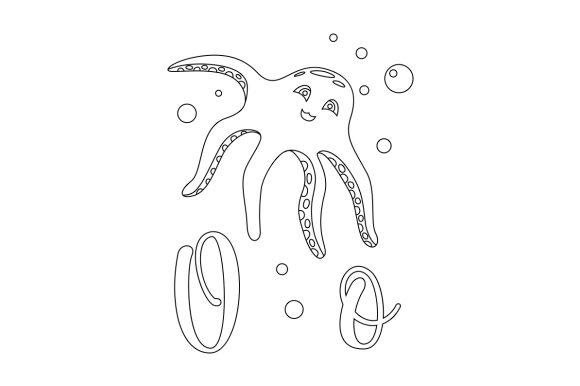
When a design file lands in my inbox, I look at it not just as an image, but as a blueprint for a physical, stitched object. My first thought is always: what will this feel like when it’s embroidered onto a real product? That’s exactly how I approached the ‘O Coloring Page’ design. At its heart, it’s a simple, bold letter O, but that simplicity is its greatest strength and its biggest consideration for practical use.
The Immediate Mood: Friendly and Open-Ended
The design creates a mood of playful invitation. A standalone letter O isn’t just a letter; it’s a shape, a circle, a zero, a beginning. Its clean, open layout means it doesn’t dictate a strict theme. Instead, it feels welcoming and customizable. This visual personality—uncomplicated yet strong—makes it a fantastic candidate for projects where you want a graphic element that doesn’t overpower, but confidently anchors the piece.
I immediately pictured it on a child’s item, given its category, but my mind also went to minimalist boutique branding or a personalized gift for someone whose name starts with O. It’s not fussy. There’s no intricate detail that might get lost in translation from digital file to embroidered thread, which is a huge plus for clarity in the final handmade product.
Where This Design Shines in Real-Life Embroidery
Let’s talk application. I mentally tested ‘O Coloring Page’ across a spectrum of my usual project types. For a custom embroidered tote bag, this design would be perfect—a single, satin-stitched O in a contrasting thread color on the front pocket. It’s graphic, durable, and gives the bag a clean, modern identity without being overly decorative.
On baby clothes or nursery decor, it’s wonderfully appropriate. A small, stitched O on a blanket corner or a sweatshirt becomes a subtle, sweet monogram. For a craft business creating personalized gifts—think holiday ornaments, pillow covers, or kitchen towels—this design is a ready-made asset. You can pair it with other elements or let it stand alone. It would also work beautifully as the central element for an embroidered patch, especially if you’re building a series of alphabet patches for Etsy listings or craft fair products.
Because you receive it in multiple formats including SVG and PNG, it’s versatile. The DXF and EPS files are particularly valuable for machine embroidery design integration, allowing you to scale and adjust without quality loss. This flexibility means you can confidently use it for both small hoop projects and larger commercial embroidery runs, like a batch of caps for a small shop.
A Practical Scenario: The Boutique Sweatshirt
Imagine you’re preparing a limited-run sweatshirt for your small shop. You want a minimalist, high-quality look. You choose a heavyweight cotton sweatshirt in a soft heather gray. You test ‘O Coloring Page’ at a 3-inch hoop size in a deep navy blue thread. The result is a crisp, filled circle that feels substantial but not dense. The stitch density feels appropriate—it covers the area without making the fabric stiff or bulky. The customer reaction you’d anticipate is appreciation for the clean, recognizable design; it feels professional and intentional, not like a generic clip-art.
Where to Use This Design with Care
Even a simple design requires thoughtful application. The bold, filled shape of the O means stitch density is key. On very thin or stretchy fabric, like a fine t-shirt, you’d need a robust stabilizer to prevent puckering and maintain that clean circular shape. On dark fabric, thread color contrast is paramount—a light O on a dark background will pop, but you must ensure your thread choices are bold enough.
The curves of the letter are smooth, but on a curved surface like a cap, you need to consider the orientation. Placing it centrally on the front of a cap should work well, but always test on scrap fabric first to see how the fill stitches behave on that particular curvature. There are no tiny lettering or detailed corners to worry about here, which simplifies things, but the overall area of fill is what you’re managing.
For products that need frequent washing, like baby embroidery on a wearable, the durability will depend on your thread quality and stitch execution, not the design’s complexity. It’s a robust shape.
How ‘O Coloring Page’ Affects Your Project’s Value
From a business and presentation angle, this design adds value through its versatility and clarity. For a digital product seller, it’s a clean asset for printable mockups. For an apparel decorator, it’s a quick, reliable design that doesn’t require extensive editing. Its simplicity enhances customer trust because the finished product looks precisely as expected—no surprise blurry details.
It supports brand consistency if you’re building a series around alphabets or simple shapes. As a personalized gift, it feels thoughtful and tailored. The handmade presentation is professional because the outcome is so clean. This directly impacts buyer engagement—a clear, attractive embroidered item photographs well for listings and looks gift-ready.
Essential Designer Notes Before You Stitch
Before you run this embroidery file on a final project, here’s my practical checklist:
- Always test the design on scrap fabric first, using the same material and stabilizer you plan for the final product. This tells you everything about tension and density.
- Check thread color contrast aggressively. View the design in a black and white mockup to see if the shape holds its form without color.
- Confirm your hoop size. While the design is scalable, ensure your chosen size doesn’t make the fill stitches too sparse or too dense for your fabric.
- Since details are minimal, inspection is straightforward. Just ensure the outline is closed and smooth in your embroidery software.
- Compare how it looks on light and dark fabric backgrounds in your preview software. This informs your product line planning.
- Use proper stabilizer. For a filled design, a cut-away stabilizer on stretchy fabrics is often a safe bet for durability.
- Critically, check the licensing provided with the file. Confirm whether it’s suitable for both personal and commercial projects before selling finished items or including it in your own digital product bundles.
The ‘O Coloring Page’ is a straightforward, effective embroidery design. Its power lies in its clarity and adaptability. It won’t surprise you with stitching challenges, and it will deliver a polished, professional result on a wide range of products. For crafters and businesses in the ‘Coloring Pages Kids’ and ‘Crafts’ realm, it’s a solid, reliable building block for countless finished products. Just apply it with the thoughtful preparation any good machine embroidery design deserves, and it will become a trusted part of your project toolkit.